Contributor Spotlight Series - Steve Horsman
This Contributor Spotlight mini series features the winners of the Kata Containers 4.0 Contributor Awards. In this article the spotlight is on Steve Horsman, Captain Cat Herder in the Kata community.
Steve is a Software Engineer with the IBM Confidential Computing team and a contributor to Kata Containers for over 5 years. Whether it’s the Community Call or the CI system, Steve always finds the order in chaos and guides the community through procedural challenges and flaky CI systems alike. And he does all that with a calm and friendly voice.
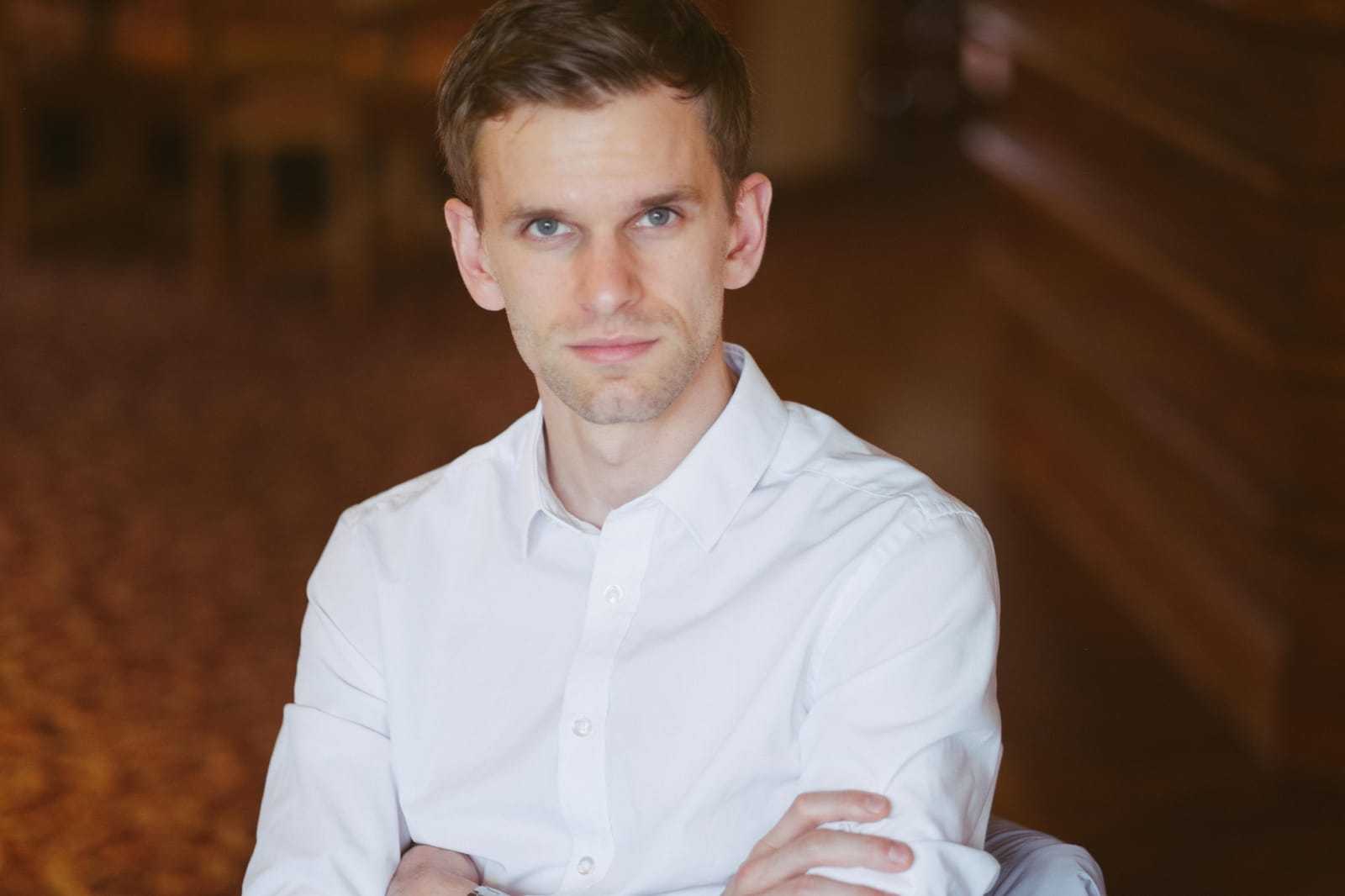
I asked him a few questions to learn a bit more about his journey and involvement in the project:
How long have you been contributing to Kata Containers, and what drew you to the project?
I've been contributing to Kata Containers for five years. My entry point was through IBM's involvement in the Confidential Containers (CoCo) project, which was incubating inside Kata Containers at the time. I was initially tasked with understanding how to build the project, which led to my first PRs to improve the documentation. From there, I ended up doing a lot of the development and branch management in the early days of the CoCo PoC. The technical challenges were interesting, and the welcoming community made it easy to get involved.
What areas of the project do you contribute to?
My contributions have spanned most areas of the project over the years. On the technical side, I've worked on code and testing—primarily around Confidential Containers features—as well as documentation, CI improvements, security fixes, and process updates. Since 2023, I've also served on the Kata Architecture Committee. This role has given me a broader view of the project's direction and governance, providing a chance to serve the community from a different perspective.
What is one contribution you are particularly proud of and why?
Something I'm genuinely proud of is the work I've done over the last 18 months on security tightening. This involved adding more checks and fixes for issues in our workflows, alongside scanning and fixing hundreds of CVEs. I enjoy being able to do the foundational work that keeps the project stable and secure enough for real products and users to rely on, ensuring a solid platform for others to build new features upon.
What has surprised you most about the Kata Containers community?
How incredibly welcoming everyone was. When I started, I lacked experience and brought over some bad habits from a less mature open source project I had helped start. As a result, I made some mistakes early on. However, patience and helpful people in the community guided me and helped me to improve. I quickly realized that a huge part of the Kata culture is about trying new things, making mistakes, and learning together.
What are you most excited about in the project right now?
For me, the biggest draw is always the people. The technology can be exciting, frustrating, simple, or extremely complex—but the most rewarding part is working alongside incredibly smart, kind people and doing whatever I can to help them succeed.
What advice would you give to someone just getting started?
Just have a go. The best way to learn how the community works—its conventions, values, and people—is to show up and start contributing, even imperfectly. Pick something small, like a documentation fix or a test improvement. The community is incredibly welcoming to people who are genuinely trying to help. Engagement beats expertise and experience, so don't wait until you feel completely ready.
Check out Steve’s GitHub profile to learn more about his work, and don’t hesitate to join the Kata Slack to talk to him and fellow project maintainers and contributors.
About Kata Containers
If you would like to learn more about the project and get involved check out the website for more information or download the code and start to experiment with the runtime. If you are already evaluating or using the software please fill out the user survey and help the community improve the project based on your feedback.